Introduction
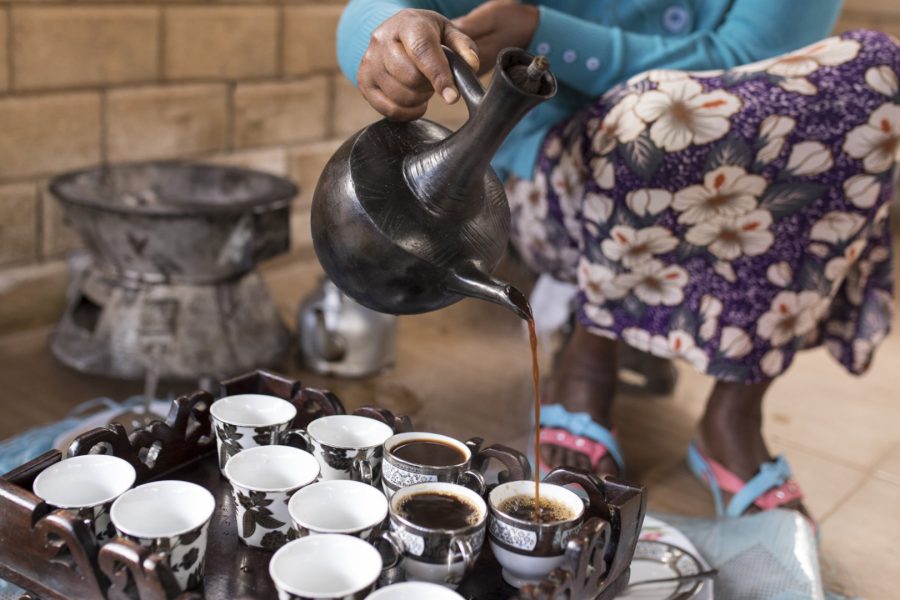
Welcome to the enriching journey of coffee tasting with African Stories Coffee! Whether you’re a newcomer or a seasoned coffee lover looking to refine your palate, this beginner’s guide will walk you through the essentials of tasting coffee, unveiling the complex flavours and aromas that make each cup a unique experience.
The Basics of Coffee Tasting
What is Coffee Tasting?
Coffee tasting, often called ‘cupping,’ is the practice of observing the tastes and aromas of brewed coffee. It’s a sensory experience that allows enthusiasts to distinguish between different coffee beans, roasts, and brewing methods.
Getting Started with Coffee Tasting
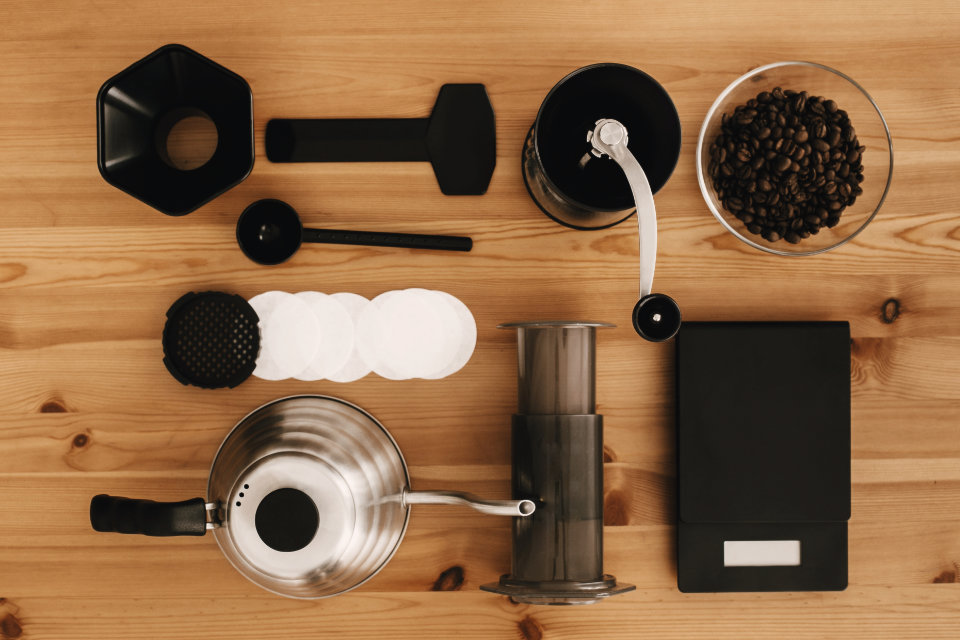
Equipment You’ll Need
- Freshly roasted coffee beans
- Grinder
- Scale
- Hot water
- Tasting cups
Choosing Your Coffee
Start with coffee beans from various regions, especially Africa, known for its rich coffee heritage. African Stories Coffee offers a selection of beans that are perfect for beginners eager to explore.
The Tasting Process
Step 1: Smell
Before brewing, take a good whiff of the ground coffee. What do you notice? Is it floral, fruity, or perhaps nutty?
Step 2: Brew
Follow your chosen brewing method, keeping your technique consistent to focus on the coffee’s inherent flavours.
Step 3: Observe
Look at the colour and texture of the coffee. A thick crema on an espresso or the clarity of a pour-over can give you clues about what to expect in terms of flavours.
Step 4: Taste
Sip the coffee, letting it coat your tongue. Pay attention to the acidity, sweetness, bitterness, and mouthfeel. Does the taste linger or dissipate quickly?

Understanding Coffee Flavours
Flavour Profiles
Fruity: Often found in African coffees, suggesting a light, acidic, and refreshing taste.
Floral: Reminiscent of flowers, common in Ethiopian coffee.
Nutty/Chocolatey: Indicates a smooth and often sweeter coffee, common in many brews.
Earthy: A robust, grounded flavour, typical of Sumatran coffee.
The Role of Acidity, Body, and Aroma
Acidity: Not to be confused with sourness, a pleasant acidity can make coffee more vibrant.
Body: This refers to the texture of the coffee in your mouth—light, medium, or full.
Aroma: The smell of coffee can be just as complex as its taste, offering hints about its flavour profile.
Tips for Enhancing Your Coffee Tasting Experience
- Keep a Journal:
Note down your observations about different coffees you try. - Cleanse Your Palate:
Between tastings, drink water or eat a neutral cracker. - Experiment:
Try various brewing methods and ratios to see how they affect the taste. - Join Tastings:
Participate in coffee tastings or cuppings hosted by cafes like African Stories Coffee.
Beyond Tasting: Understanding Coffee’s Heritage
Appreciating the nuances of coffee also means understanding where it comes from. African Stories Coffee believes in connecting our customers with the rich stories behind each bean. From the Ethiopian highlands to the slopes of Kilimanjaro, every coffee has a story that influences its flavour.
Conclusion
Coffee tasting is an art that opens up a world of flavours and experiences. By following this beginner’s guide, you’re not just learning to distinguish between different coffees; you’re embarking on a global journey from the comfort of your cup. Remember, the key to coffee tasting is to enjoy the process, exploring the diverse palette of tastes and aromas with curiosity and enthusiasm.